VBS2 as a movie making tool

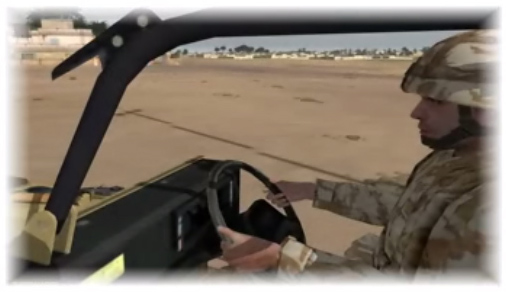
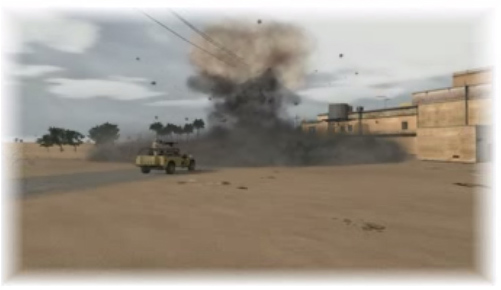
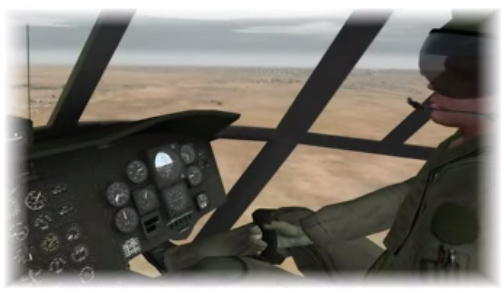
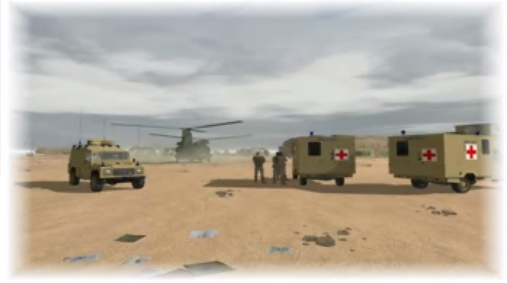
On a recent project I got the chance to use VBS2 to create an animated sequence. I’d seen many guys produce some fantastic animated scenes on YouTube so thought I’d have a go myself and see if it would work on a project.

The results were OK, with more time I reckon I could produce something quite dramatic.


Movie snippetMovie snippetMovie snippetMovie snippetMovie snippetMovie snippet

E-learning Case Study: Understanding the Civil Service

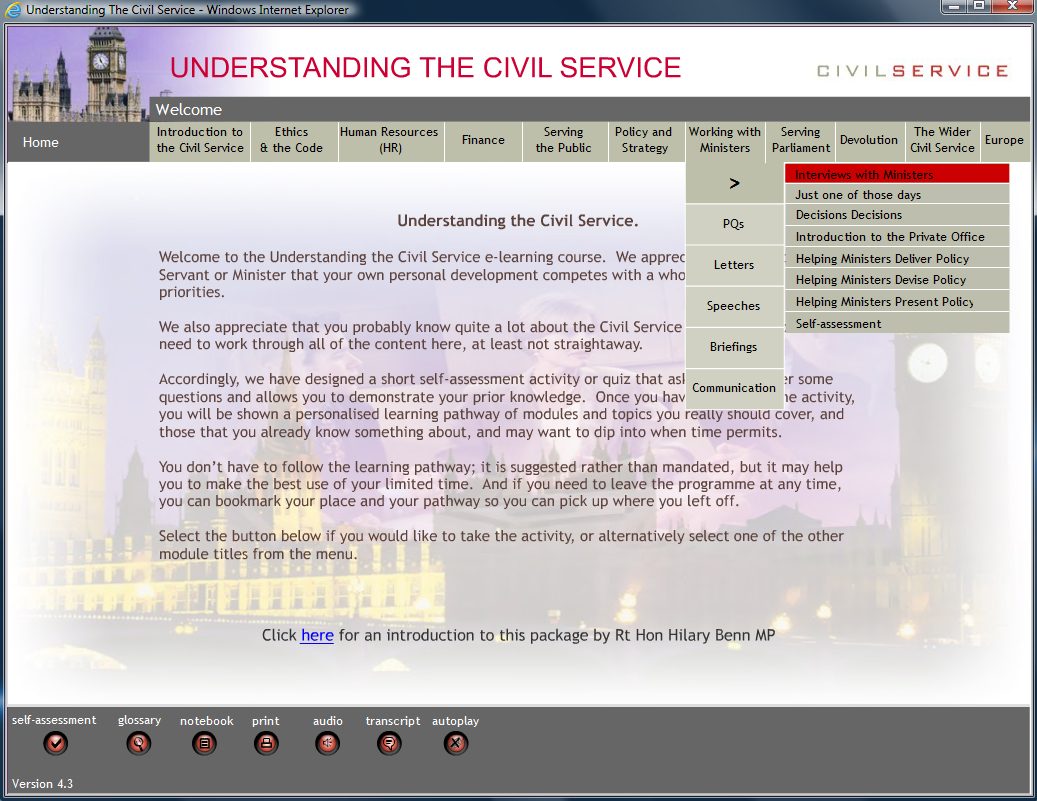
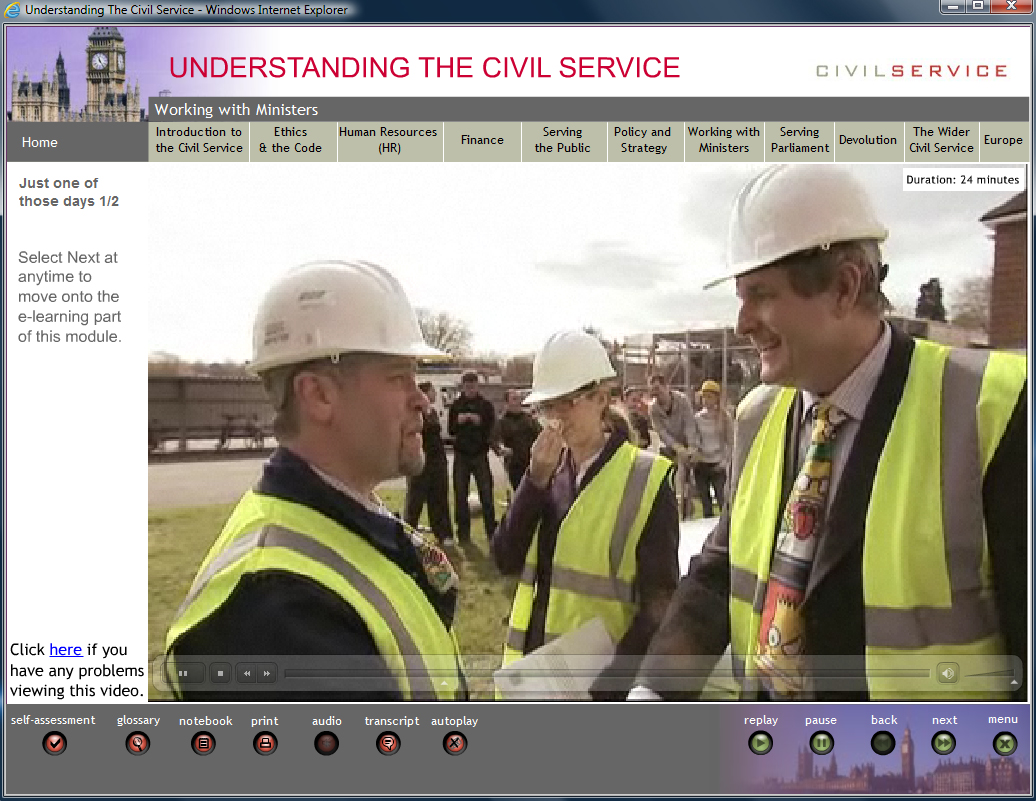
This comprehensive e-learning course is designed as an induction for new entrants and a refresher for exisiting civil servants and provides learners with an opportunity to undertake a generic introduction to the Civil Service, prior to embarking on department-specific induction activities.

Understanding the Civil Service  Understanding the Civil Service

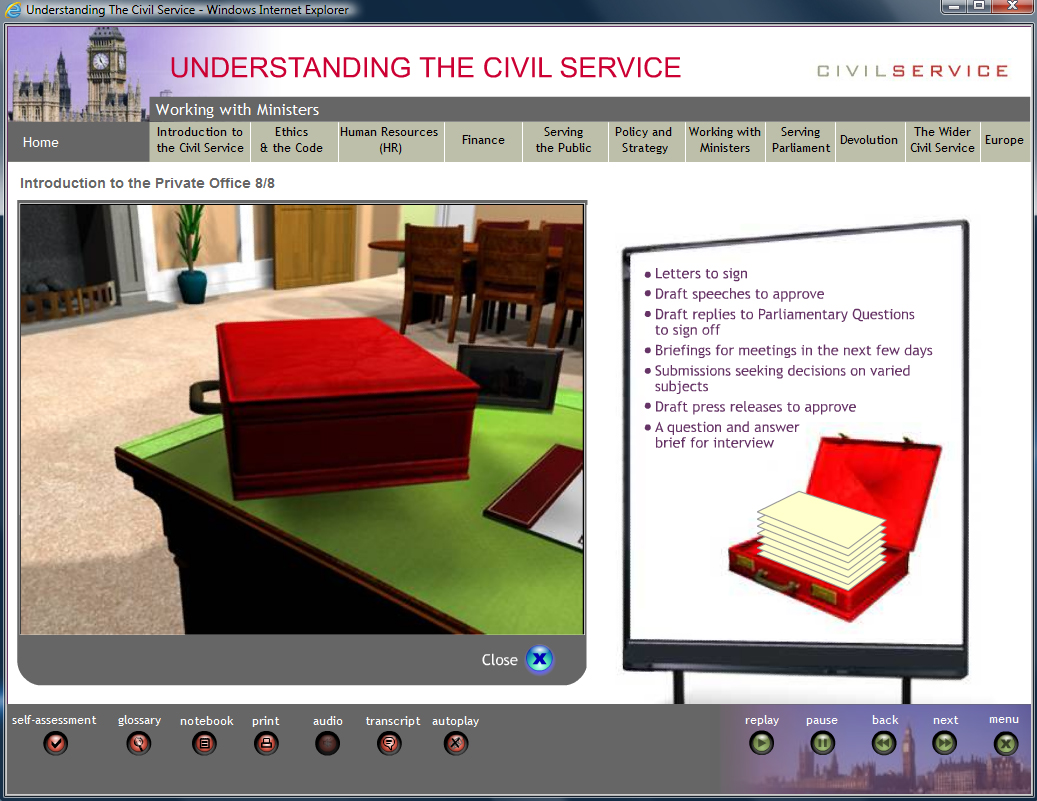
The course is about 24 hours in duration and was developed using Adobe Flash, Photoshop, as well as interactive 3D segments developed in 3D Studio Max and Poser.

I was responsible for the architecture design as well as the inital first stage development using Flash and 3D Studio Max.

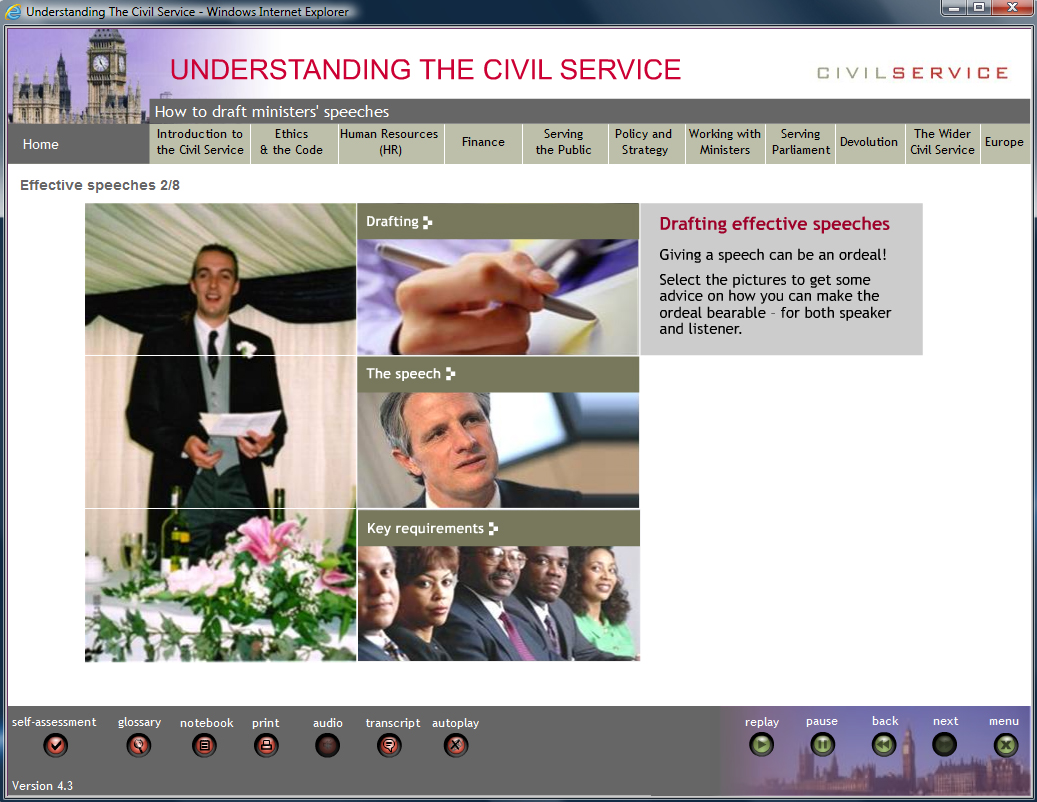
Understanding the Civil Service  Understanding the Civil Service

Later stages of development involved video only sections produced by Tinopolis.

The course has won a number of accolades within Government and Defence.

E-learning Case Study: Challenger II Main Battle Tank Overview

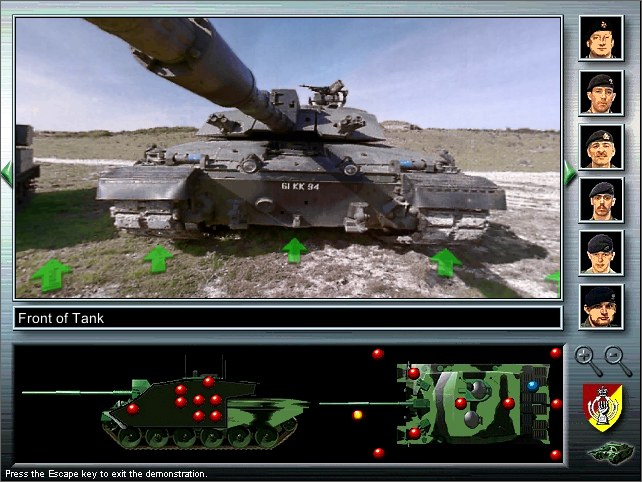
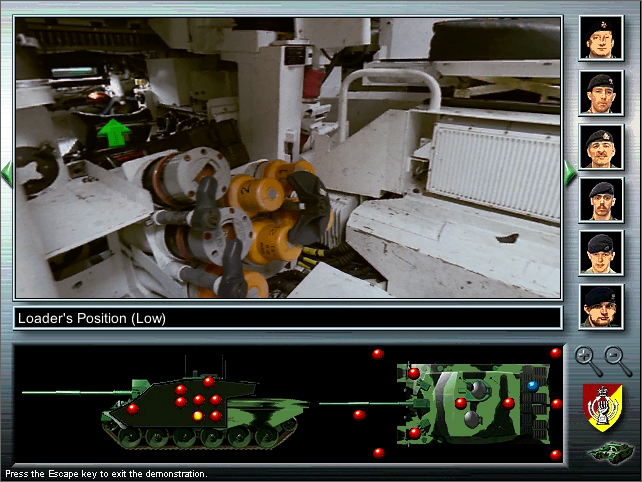
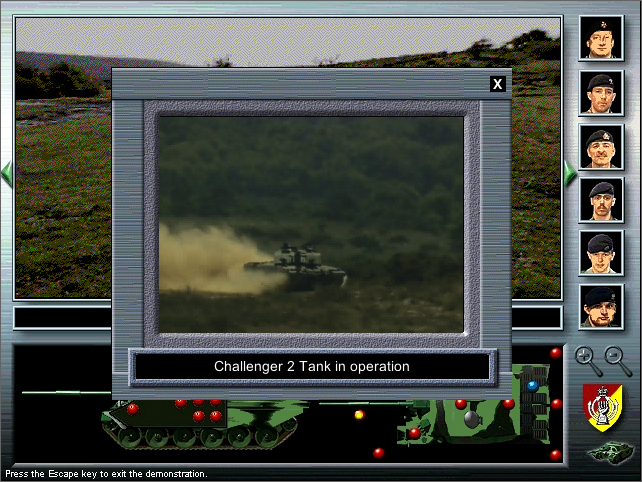
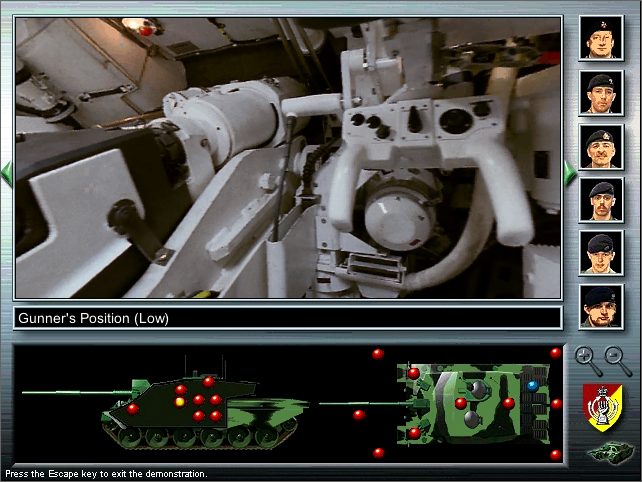
This short multimedia package was devised to give recruits an overview of the main parts of a Challenger as well as video segments where they could see experienced tank crews give their own views.

Challenger II MBT  Challenger II MBT

The package was developed using Adobe Director and incorporated QuickTime VR panoramic techniques as well as high-quailty video.

I was responsible for technical direction as well as software development.

Challenger II MBT  Challenger II MBT

Serious Games Case Study: Health & Safety Executive

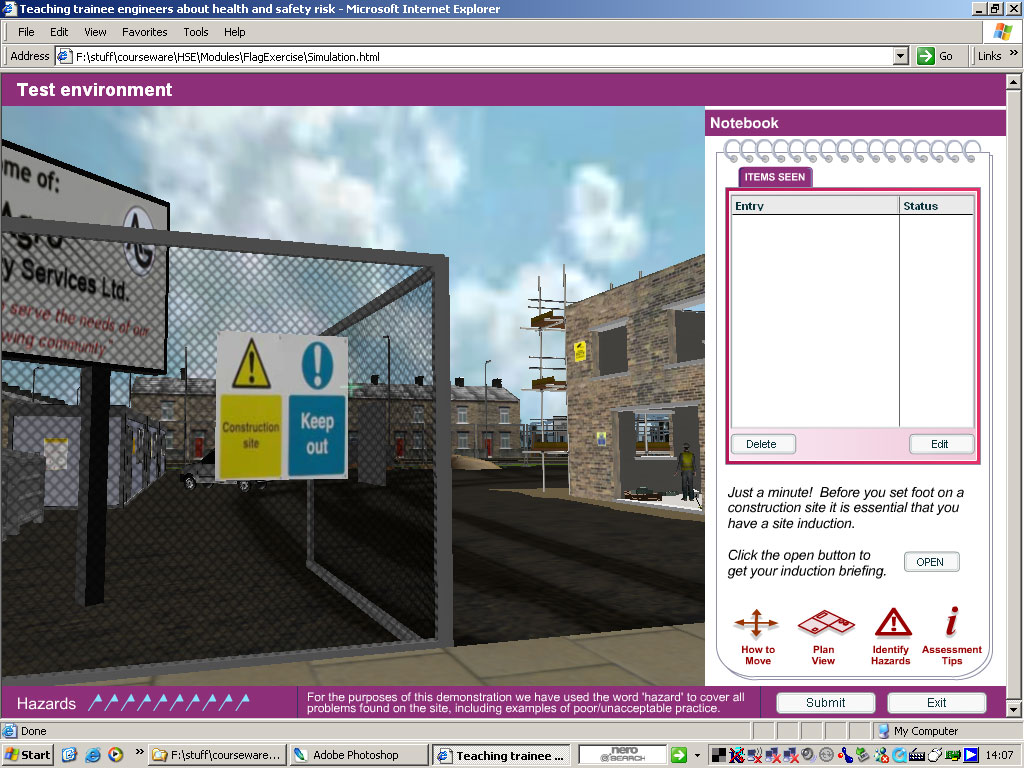
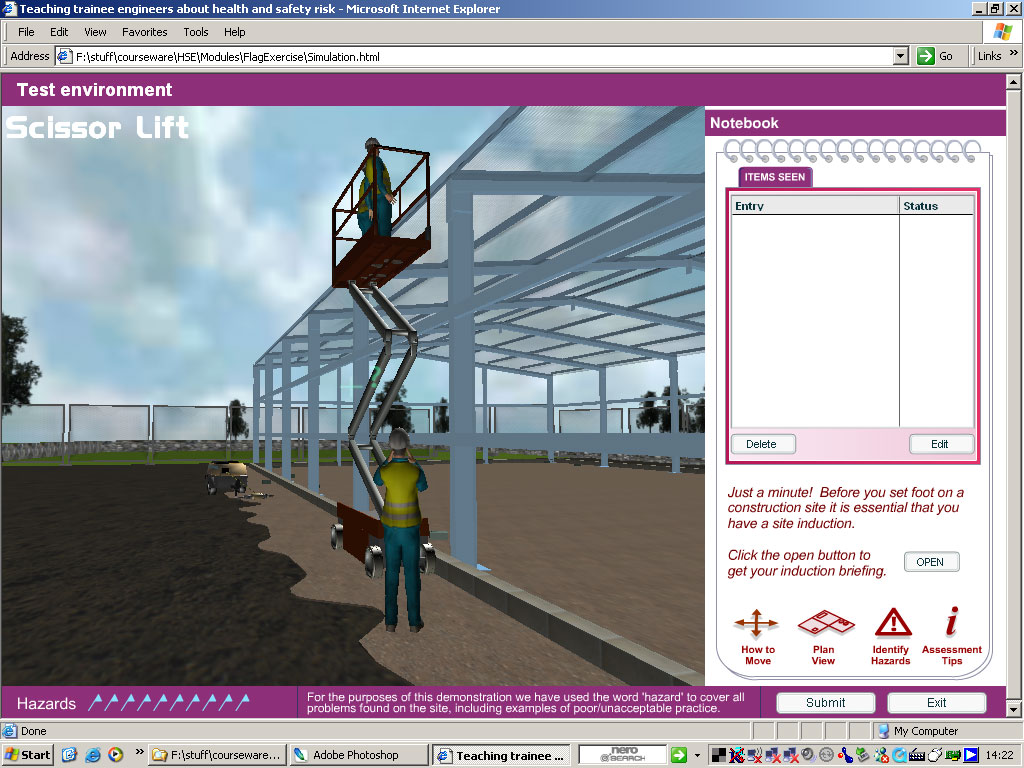
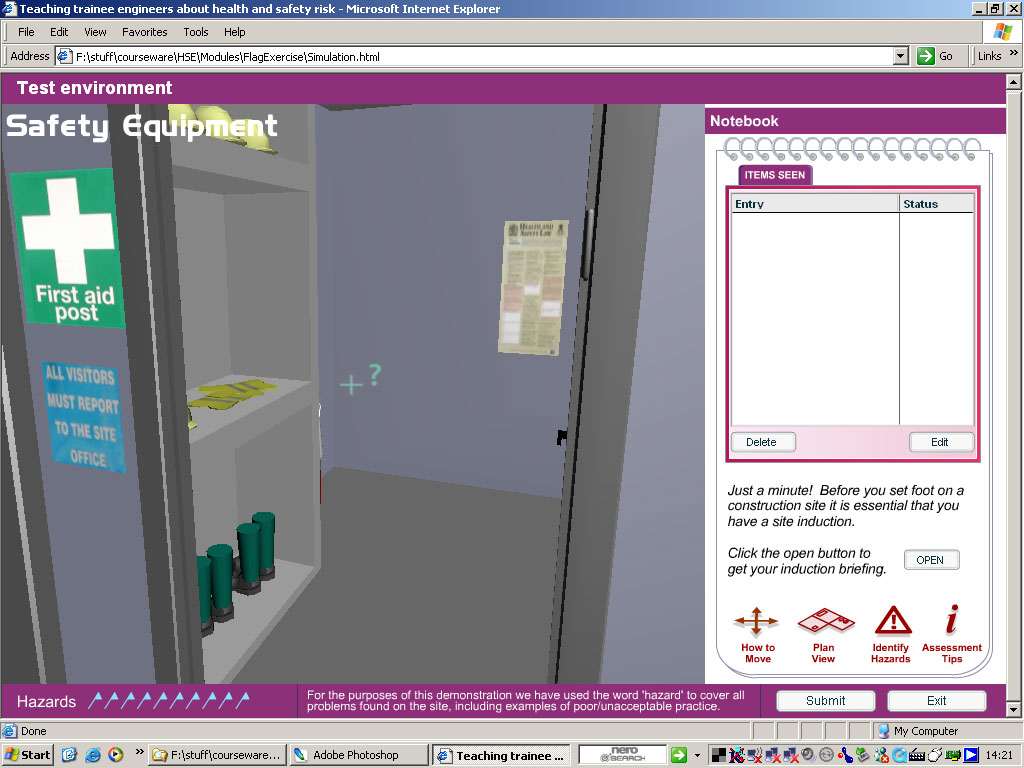
As part of a series of short multimedia packages created for the HSE, I developed a virtual assessment package which allowed a trainee assessor to walk around a building site and look at potential dangers, flagging up any when seen.

Building Site Assessment  Building Site Assessment

The assessor could zero in on areas, for example they could:

  • Check ladders are tethered
  • Check scaffolding is correctly constructed and tagged
  • Watch workmen on equipment

Building Site Assessment  Building Site Assessment

At the end of the assessment the package would score the trainee and then give them a number of ‘what if’ animations showing the damage that would happen if the dangers were not seen.

Serious Games Case Study: Ministry of Defence Police

This e-learning package developed for the MDP revolves around teaching effective ways of gathering evidence.

E-learning  Assessment

The e-learning comes in two forms:

  •  a walkthrough showing how an experienced officer would respond to a crime scene
  • a virtual reality assessment module which allows the student to traverse a crime scene (burglary) themselves to gather and protect evidence.

Assessment  Assessment

During the assessment officers would have to check the house to see if intruders were still present, then protect evidence whilst at the same time filling in all relevant details into their police pocket notebook for future use.

Serious Games Case Study: Royal Logistics Corp, Field Munitions Storage

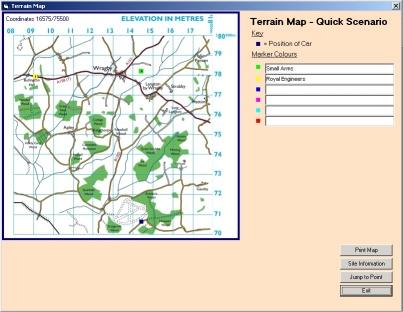
Historically the RLC have trained recruits in finding the optimum locations for field storage sites by a mixture of classroom based training, paper based exercises and extremely expensive field exercises. The client identified a need to reduce training costs and at the same time provide an innovative solution that would engage the recruits.

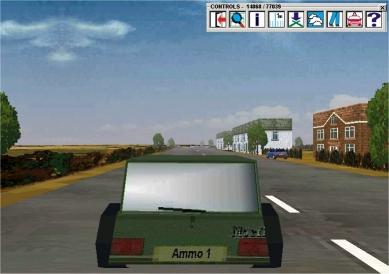
Logica designed and implemented a virtual terrain simulator where recruits could drive around a 10 square kilometre area of land. The recruits would gain information about roads, rivers and urban conurbation, and then make informed judgements as to the best areas to place field storage sites. The simulation also required the recruits to define the optimum amounts of munitions to be placed at each site as well as defining travel routes for any personnel that would be removing storage from any one site.
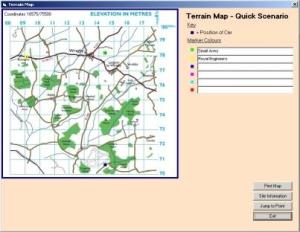
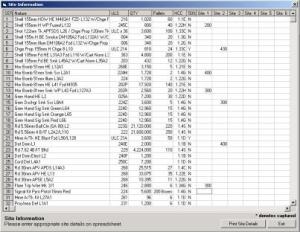
Terrain MapMunitions Store

Developed in Microsoft Visual Basic and using a commercial 3D engine, the application simulates many real world elements such as gravity if the car is in the air and skid marks on tight turns, all these help to engage the recruits and help keep their interest levels high. The use of a commercial 3D engine has also opened up the opportunity of accessing the simulation over the client’s secure intranet.

Following an initial version, Logica took the application further to provide tutors the option of creating and placing ad-hoc problems into the land area. These included bomb craters to block roads, along with hazards such as petrol stations and work sites.
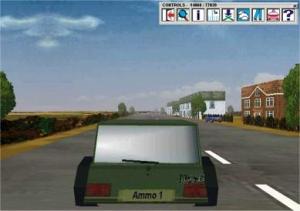
3D View

The business benefits derived from the solution included:

  • A customisable virtual environment
  • A trained and motivated workforce
  • Integrated assessment and certification
  • A reduction in training delivery costs.
Innovation in Learning

Thought I’d pop down a link to a presentation I did that is being displayed in our central London Innovation Centre.

Presentation

It covers some of the work I’ve been doing as well as one or two other bits from guys within the company.

http://www.lhls.org/Sparks/

It does run a little slowly so just hand in there!

Research into Live Virtual Constructive (LVC) Simulation

Last year I researched the idea of merging real-life data into a virtual simulation, a concept know as Live Virtual Constructive (LVC).
 
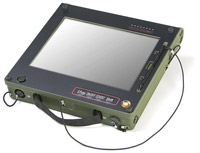
I integrated VBS2 with the Royal Artillery’s new Fire Control Battlefield Information System Application (FC-BISA), a system that provides an officer with a ruggedised handheld that they can use to order in artillery by inputting GPS information on insurgents.

BISA Hanheld

In our example I was able to fully integrate FC-BISA with VBS2 so that a student could traverse a virtual battlefield and on seeing a group of insurgents could order in artillery fire using the real handheld system. The plug-in I created for VBS2 would then check artillery orders being processed by artillery units and then model the explosion of artillery shells in the virtual world at the exact time and place where they should land. The insurgents who survive would then dig in and fight or flee, and a student could then order in more artillery fire at their discretion.

View in VBS2 
Interesting times lay ahead.