About 2 years ago the Royal Navy had a requirement to outsource their Marine Engineering training. We were in discussions with regards to how they saw their new generation of learning evolving, and some themes were similar to other large-scale engineering clients.
Marine Engineers seem to have a massive amount of TACIT knowledge. By that I mean in-depth important knowledge that they need, but can’t really tell you where it came from. Most of the time its handed down from senior to junior over time. This presents a real learning risk in that, over time, with expert senior engineers retiring, there is a real possibility of losing the ability to train new graduates effectively.
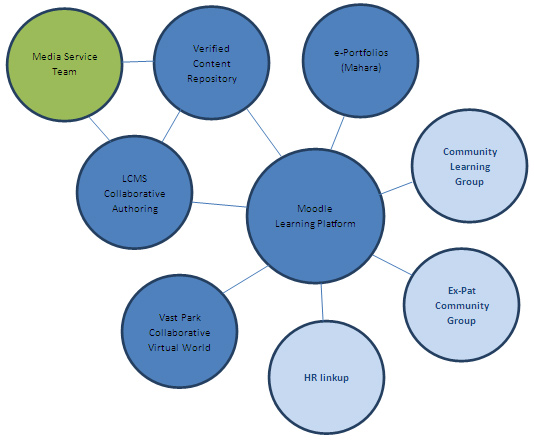
On the community side
It was important that we devise a system that helps to identify potential knowledge gaps by being more ‘in touch’ with its own learning community as well as experts from within that might previously be ignored.
Setting up a community learning group for your own learning professionals, allows them to keep in touch with each other, to discuss how differing learning needs are being met.
Also setting up an Ex-Pat (or soon to be Ex-Pat) community group allows senior engineering professionals to join in and discuss their views on how we able to improve graduate induction training as well as on-going work-based learning programmes.
Having a simple HR linkup also allows us to zero in on experts in the undergrowth who are approaching retirement age and see if we can bring them on board into our community discussion groups.
On the technology front
We chose the ’open source’ Moodle platform because:
- It could be de-centralised, so that individual departments could take control of their own curriculum. Invariably, large learning platforms in large organisations are seen as too distant, too remote. Having a flexible learning platform that would fit the need of every department was a major goal for us
- Was extremely easy to use, as we wanted our learning curriculum to grow as each department is able to better identify and fill training gaps.
- Was affordable
We added a Mahara e-Portfolio system to our mix as it was important to allow university graduates the opportunity of bringing their university e-Portfolios with them to their new career. This allowed for far more intimate knowledge of graduates.
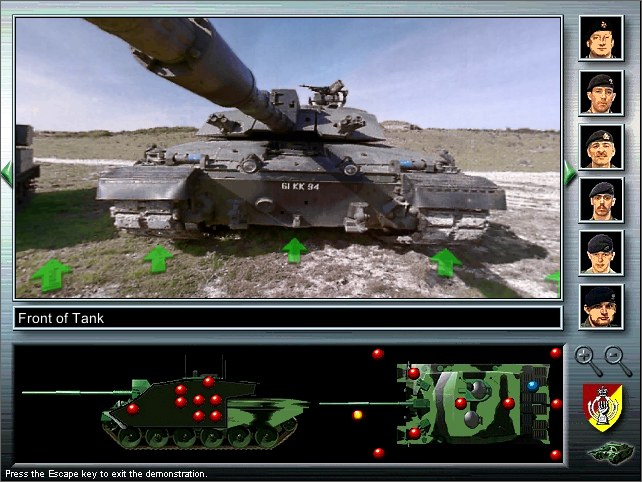
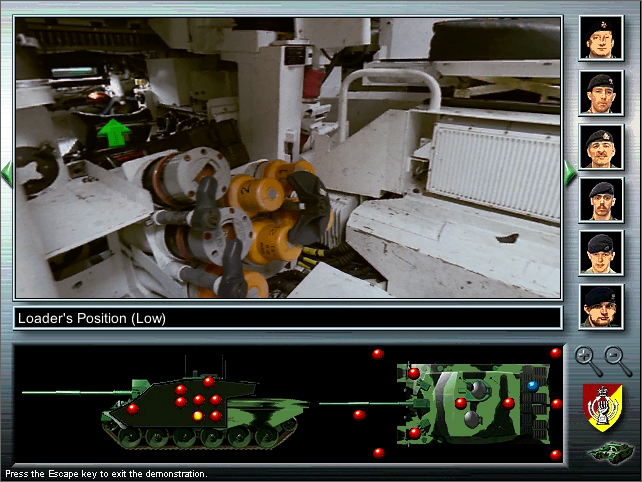
It was also important to allow internal learning experts (as well as senior experts) the opportunity to easily add quality new learning content to fill training gaps quickly. We also proposed our own in-house rapid authoring tool that is easy to use, yet powerful enough to produce compelling e-learning.
And to help with the production of this rapid e-learning, a media services team combining graphics artists, 3D modellers, as well as training professionals is was to be on-hand to bring all this content to life.
Another vital part of our relationship with this client was to recognise that they have many of their best experts in distant foreign lands. So we devised a virtual world server called ‘Vast Park’ that allows disparate experts (as well as graduates) the opportunity to meet up in a virtual world…. Brainstorm, share ideas, and collaboratively help each other.

 Elearning Technologist