Serious Games Case Study: Royal Logistics Corp, Field Munitions Storage
November 12, 2011 3 Comments
Historically the RLC have trained recruits in finding the optimum locations for field storage sites by a mixture of classroom based training, paper based exercises and extremely expensive field exercises. The client identified a need to reduce training costs and at the same time provide an innovative solution that would engage the recruits.
Logica designed and implemented a virtual terrain simulator where recruits could drive around a 10 square kilometre area of land. The recruits would gain information about roads, rivers and urban conurbation, and then make informed judgements as to the best areas to place field storage sites. The simulation also required the recruits to define the optimum amounts of munitions to be placed at each site as well as defining travel routes for any personnel that would be removing storage from any one site.
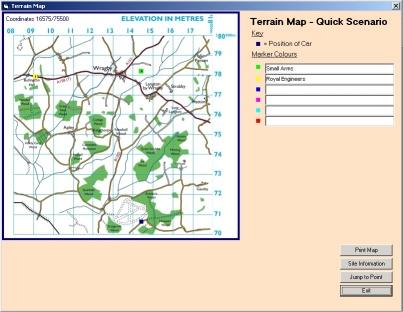

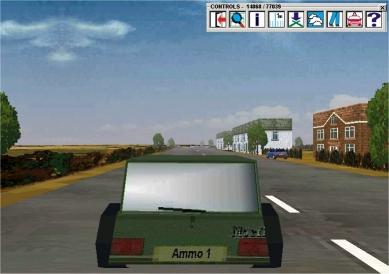
Developed in Microsoft Visual Basic and using a commercial 3D engine, the application simulates many real world elements such as gravity if the car is in the air and skid marks on tight turns, all these help to engage the recruits and help keep their interest levels high. The use of a commercial 3D engine has also opened up the opportunity of accessing the simulation over the client’s secure intranet.
Following an initial version, Logica took the application further to provide tutors the option of creating and placing ad-hoc problems into the land area. These included bomb craters to block roads, along with hazards such as petrol stations and work sites.
The business benefits derived from the solution included:
- A customisable virtual environment
- A trained and motivated workforce
- Integrated assessment and certification
- A reduction in training delivery costs.
 About elearningtechnologist
 Elearning Technologist
Why is this, and the other application called a Serious Game. Was the 3D Engine an engine designed for serious gaming, or a “3D engine”?
Regards
The work for the Royal Logistics was done in about 2004 and utilised a 3D engine designed for games development. The later pieces of work utlised a more general purpose 3D engine called Quest3D.
All the projects were designed to be fun from the outset, with students finding hidden parts to the serious games designed to entice them to spend ever more time in the environments and thereby learn more.
Our post implementation reports found students enjoying the use of the packages whilst learning, although admittedly some uses of the Royal Logistics corps package were a bit unwelcome, as the package allowed students to use their landrovers to organise virtual races!
If an upgrade to the map / terrain was ever required, CAE UK plc (UK arm of CAE Montreal) delivered a 1600 sqKm virtual terrain database of what looks like the same area to the Royal Artillery at Larkhill in 1994 that was refreshed and rehosted around 2010.